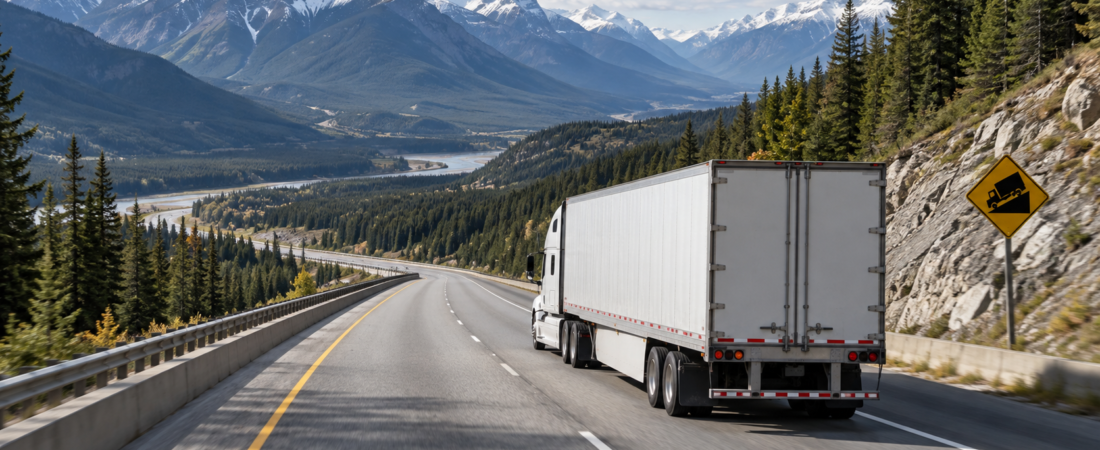
Fuel economy is not one switch and it is not one RPM number. It is the result of many small decisions made over an entire trip: speed, load, grade, wind, idle time, tire condition, traffic, transmission behavior, throttle use, and mechanical condition.
THE EXPENSIVE HABIT IS OFTEN A LATE DECISION
Holding a gear too long on a climb, adding throttle after RPM has fallen, or making a hard recovery after momentum is lost can use more fuel than a calm early adjustment. The same is true when a transmission hunts because the driver waited too long to select an approved mode or gear.
Fuel economy should never come before safety, legal limits, company rules, or the manufacturer’s instructions. A heavy load on a mountain grade may need a slower, more controlled approach. Trying to force the truck to maintain a number can waste fuel and add stress.
LOOK FOR PATTERNS, NOT MIRACLES
Track what changes on similar runs: idle time, traffic, terrain, load weight, speed policy, tire pressure, and the truck’s response. Report mechanical concerns instead of trying to drive around them. A professional habit is to learn which decisions consistently make the truck work harder than necessary.
The Smart Truck Driving System is built around those practical choices: torque, RPM, grades, transmission behavior, fuel habits, and truck health. No magic gear. No guaranteed mileage claim. Just better information for better decisions.